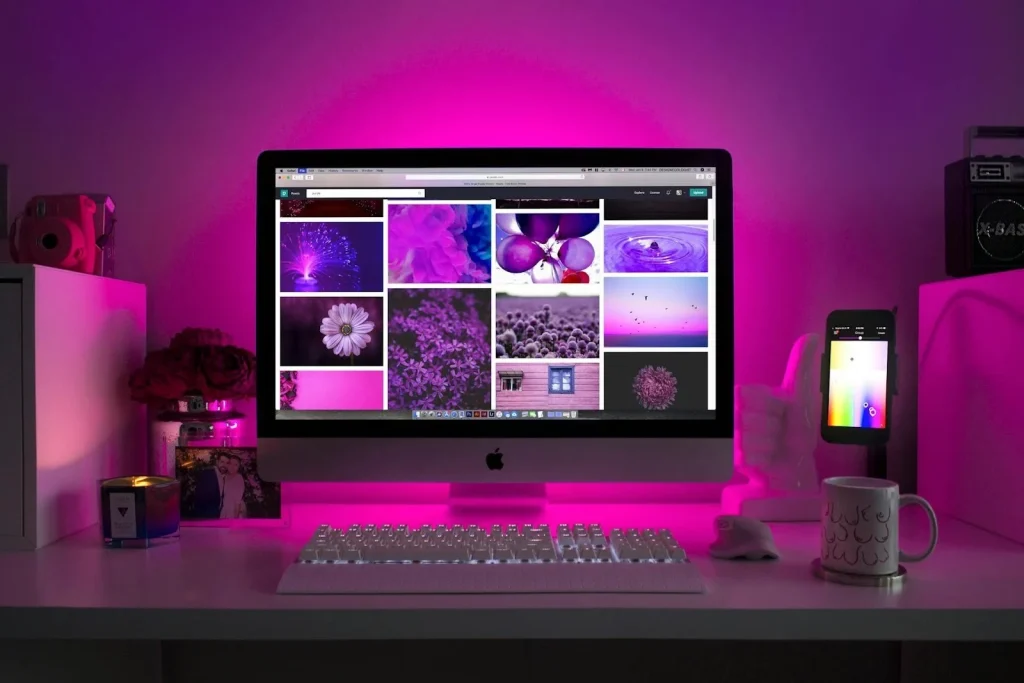
Design no longer starts with a blank page and a pencil. Today, it begins with software, data, user behavior, and rapidly evolving digital tools. Technology has changed how designers think, create, and deliver ideas across industries. From branding and product design to user experience and storytelling, creative decisions now rely heavily on digital platforms and real-time feedback. Designers are expected to move faster, collaborate smarter, and adapt constantly as tools and trends shift.
This article explores how technology is shaping modern creativity and shows how designers can grow, adapt, and lead with confidence in the digital age.
How Design Evolved From Craft to Digital Strategy
Design once focused mainly on form, aesthetics, and manual skill. That focus has expanded. Digital tools pushed design beyond visuals and into strategy, problem-solving, and planning. Today, designers think about user journeys, platforms, and long-term impact from the start. Technology allows ideas to move quickly from concept to execution, which raises expectations across industries. Design now supports marketing, product development, and customer experience rather than sitting at the end of a process. This shift changed the role of designers and the value they bring to organizations.
The Rise of Design Leadership in a Tech-Driven World
As design influences more business decisions, designers increasingly step into leadership roles. Creative professionals now manage teams, timelines, and digital systems alongside visual work. This change requires skills beyond creativity, including communication, strategy, and decision-making. Many designers seek structured learning to support this growth. The widespread availability of programs like a Masters in Design Management online help bridge creative thinking with business leadership. They allow designers to understand how technology, strategy, and creativity work together while continuing their careers. This blend of skills supports stronger leadership in fast-moving digital environments.
Digital Tools That Are Redefining Creative Work
Modern design relies on powerful digital tools that support speed and flexibility. Software for prototyping, collaboration, and design systems allows teams to test ideas early and refine them often. Designers no longer wait until the final stage to see how work performs. Instead, they adjust continuously based on feedback. These tools remove many technical barriers, which gives designers more time to focus on ideas and problem-solving. While technology shapes the process, creativity still drives outcomes when designers use tools with intention.
Data-Driven Design and Smarter Creative Decisions
Design decisions increasingly rely on data rather than guesswork. Analytics, user testing, and performance metrics help designers understand what works and why. This approach reduces risk and improves outcomes without limiting creativity. Designers can explore ideas while staying aligned with real user needs. Data also helps teams justify design choices to stakeholders. When designers combine insight with creative judgment, their work becomes more effective and relevant. This balance supports designs that feel purposeful rather than purely decorative.
User Experience as the Core of Modern Design
User experience now sits at the heart of most design projects. Digital products must feel intuitive, accessible, and easy to navigate. Designers focus on how people interact with systems across devices and platforms. Technology allows teams to test usability early and improve designs before launch. This focus leads to clearer interfaces and stronger engagement. Designers who understand user behavior can create experiences that solve problems instead of adding friction. UX thinking also encourages collaboration between designers, developers, and product teams.
Collaboration in the Age of Remote Creativity
Design no longer happens in a single room or even within one organization. Remote work and cloud-based platforms allow designers to collaborate across locations and time zones. Teams share files instantly, review work in real time, and track progress without slowing momentum. This setup encourages faster feedback and more inclusive input, but it also demands clarity. Designers must communicate ideas clearly and document decisions carefully. Strong collaboration now depends on structure as much as creativity, especially when teams rely on digital tools to stay aligned.
Automation, AI, and the Designer’s Role
Automation has changed how designers spend their time. Tasks such as resizing assets, organizing files, and generating layouts now happen faster with the help of smart tools. This shift allows designers to focus more on thinking, planning, and refining ideas. AI does not replace creativity, but it supports efficiency and exploration. Designers still decide what feels right, what serves users, and what aligns with a brand.
Branding and Storytelling in Digital Spaces
Brands today live across many digital channels, which makes consistency essential. Designers shape how brands speak, look, and behave online. Websites, apps, and social platforms must feel connected while serving different purposes. Technology helps manage this complexity through design systems and shared assets. Strong digital storytelling relies on clarity rather than excess. Designers who understand both narrative and technology can create brand experiences that feel intentional and trustworthy across platforms.
Ethical Design and Responsible Use of Technology
Designers nowadays shape how people interact with information, make decisions, and spend time online. Ethical design focuses on transparency, accessibility, and respect for users. Dark patterns and misleading interfaces may drive short-term results but damage trust. Technology should support users rather than exploit them. Designers who prioritize ethics help build sustainable products and healthier digital environments. Responsible design also considers long-term impact, not just immediate engagement.
Preparing for the Future of Design
The future of design will continue to evolve alongside technology. New tools, platforms, and expectations will reshape how designers work. Staying relevant requires ongoing learning and flexibility. Designers who understand strategy, leadership, and digital systems will adapt more easily to change. Curiosity and skill development matter more than mastering a single tool. It is safe to sat that the ability to guide teams and projects will define success in the next phase of the industry.
Design in the digital age calls for confidence, responsibility, and adaptability. Creativity still matters, but it now works alongside systems, data, and technology-driven workflows. Designers who step into leadership, embrace ethical practices, and stay open to change will shape how digital experiences grow. The future belongs to those who view technology as a partner in creative thinking, not a limitation.