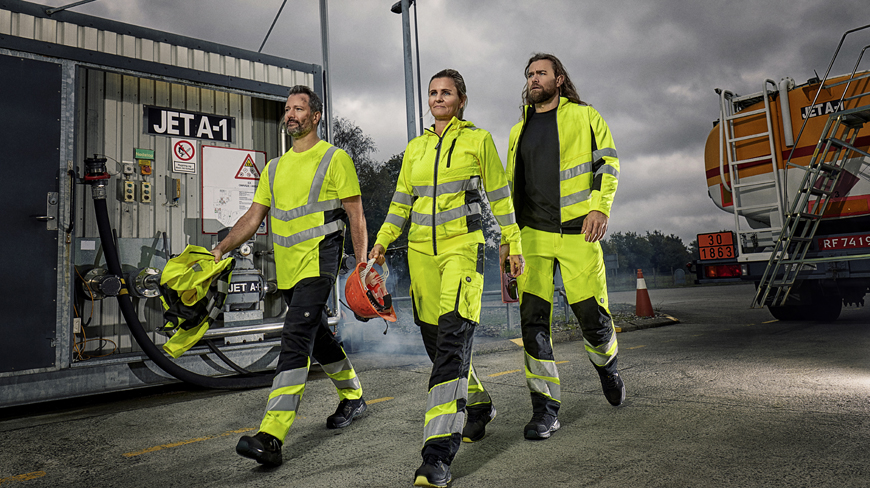
Ensuring the health and safety of employees in various industrial and commercial settings is not just a priority; it is a legal and moral obligation for employers. With the diverse range of risks presented in different work environments, from construction sites to chemical laboratories, the role of Personal Protective Equipment (PPE) is critical. Implementing the right ppe workwear is a fundamental aspect of workplace safety that helps to minimise exposure to hazards that could lead to serious injuries or illnesses.
The Importance of PPE Workwear
Occupational hazards are present in nearly all working environments. Physical, chemical, electrical, mechanical and biohazards can pose significant risks to the well-being of employees. PPE workwear serves as the last line of defence against these dangers when administrative or engineering controls are insufficient or not feasible. Compliance with safety regulations and standards ensures that workers are provided with workwear that diminishes the risk of accidents and injury.
Different Types of PPE Workwear
Workplace safety encompasses various forms of protective gear, each designed to protect specific parts of the body. Understanding which PPE is essential for a given task is key to providing the proper protection. Below is a rundown of the most critical PPE workwear categories:
1. Head Protection
Head injuries can be devastating, which is why helmets and hard hats are mandatory in environments with potential for impact from falling or flying objects. This type of PPE is also essential where there’s a risk of head bumps or hair entanglement in machinery. To offer optimal protection, headgear should meet specific industry standards for resistance and durability.
2. Eye and Face Protection
Protecting the eyes and face from hazardous chemicals, intense light, and particulate matter necessitates the use of safety goggles, face shields, and visors. These PPE items are especially important for those working in laboratories, manufacturing plants, or any setting where debris and spillages pose a threat.
3. Hearing Protection
Noise-induced hearing loss is a significant occupational risk in sectors such as construction and manufacturing. Protective gear like earmuffs and earplugs reduce the levels of sound exposure, preserving the worker’s hearing over the long term.
4. Respiratory Protection
Workers who may be exposed to dust, fumes, vapours, and hazardous substances require respiratory protective equipment (RPE). Masks and respirators are critical in such environments to prevent inhalation of harmful particles and to maintain good pulmonary health.
5. Hand Protection
Hand injuries are one of the most common workplace accidents. Diverse activities may require different types of gloves made from materials such as rubber, leather or specialised synthetic fibres. Cut-resistant, chemical-resistant, and heatproof gloves are a few examples of hand protection tailored to specific job risks.
6. Body Protection
High-visibility jackets, aprons, coveralls, and full-body suits protect against a range of hazards from chemical spills to extreme temperatures. Selecting body protection should be based on a risk assessment of the work environment and tasks.
7. Foot Protection
Protective footwear is imperative where there’s a risk of foot injuries from hot substances, chemicals, falling objects, or wet environments. Safety boots and shoes often come with steel toecaps and anti-slip soles to provide a high level of protection and support, accommodating various workplace requirements.
Choosing the Right PPE
While the presence of PPE workwear is critical, equally important is ensuring that it is correctly selected, fitted, maintained, and used. Employers must ensure that the ppe workwear provided is suited to the hazard and the work performed, without limiting the worker’s ability to carry out their job. PPE should be comfortable to wear and, most importantly, it should meet or exceed health and safety standards to provide adequate protection.
Employee Training and PPE Usage Compliance
Effective PPE workwear use goes beyond distribution. Employees must be trained on the correct use, storage, and maintenance of their protective gear. This education includes understanding when PPE is necessary, the limits of the equipment, proper wear and fit, as well as its disposal. Monitoring and enforcing compliance are crucial steps in safeguarding a safe workspace.
Conclusion
The use of PPE workwear is an essential component of workplace safety and health management. While protective equipment acts as a barrier against injuries and illnesses, it is the combination of proper selection, maintenance, and user compliance that creates an optimally protected workforce. It is every employer’s responsibility to not only provide but ensure the effective utilisation of PPE, thereby prioritising the well-being of their workers and promoting a safety-conscious culture. With a comprehensive approach to workplace safety, organisations can prepare their workforce for the diverse challenges of their roles and contribute to the creation of secure and productive work environments.
Remember, the right ppe workwear, knowledge, and practices lay the foundation for a safer workplace, where risks are managed effectively and employees are guarded against potential harm.