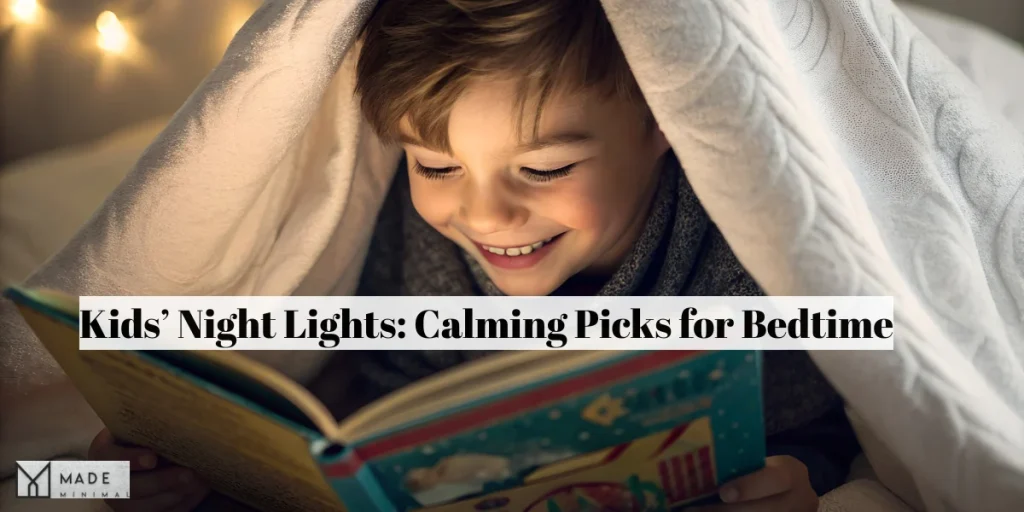
Ever walked into a lighting store and got confused by dozens of night lights, wondering which one won’t ruin your child’s sleep?
The answer is simpler than you think. Most parents buy night lights hoping to help with bedtime, only to worry that the wrong colour is ruining their little ones’ sleep quality. The reality is, blue light exposure from certain night lights can keep children awake rather than helping them fall asleep faster.
That’s why it’s important to pick the right option, because it can save you hours of lost sleep. Yes, retailers like MadeMinimal offer calming lighting solutions, but you need to know what works for your kids.
The right night lights create a gentle glow without messing with natural sleep cycles. Your children feel safer in the dark, and everyone gets better rest.
In this article, we’ll cover which colours help kids sleep, how to choose safe options, and where to place lights in the bedroom.
Ready to learn more about kids’ night lights? Let’s get started.
What Colour Light Helps Kids Sleep Better?
Red light and amber light are the best colours for kids’ night lights because they don’t mess with melatonin production.
Different colours affect your child’s brain in different ways. While you might think blue or green light would be calming, these colours actually work against sleep. The reason is simple: blue and green wavelengths signal the brain that it’s daytime, which keeps your little ones awake longer.
On the other hand, red and amber light bulbs have long wavelengths that don’t block melatonin, the hormone that controls your child’s sleep cycle. Think of melatonin as your body’s natural “sleep switch.”
However, Harvard Health research shows that blue light suppresses melatonin production for twice as long as other colours and shifts circadian rhythms significantly.
You might have noticed your kids get more energetic after screen time on electronic devices before bed.
That’s because phones and tablets emit blue light that affects their body’s natural sleep signals. The same thing happens with white light or bright lights in the bedroom.
Warm colours work differently, though. Red light and amber create a cozy atmosphere similar to sunset, which naturally tells the body that evening is here.
This arrangement helps children feel sleepy instead of wired. That’s why MadeMinimal and various furniture stores focus on warm light options for children’s lighting.
Once you know which colours work best, the next step is finding night lights that are safe for your child’s bedroom.
Choosing A Safe And Practical Kids’ Night Light
You’ve probably worried whether that cute night light will overheat or if your toddler can pry open the battery compartment.
Always remember that safety comes first when picking night lights for your children’s bedroom. You should look for kids’ lamps that stay cool to the touch, have secure battery compartments that children can’t open, and meet Australian safety standards. Product Safety Australia provides guidelines on what to check before buying any electrical items for kids.
The thing is, not all night lights are built the same way. Some get hot after running for hours, which can be dangerous if your child touches them during the night. Others have battery covers that curious little fingers can easily open, creating choking hazards.
Here are the main safety features you need:
- Cool-touch surfaces: LED bulbs produce less heat than old incandescent bulbs, making them safer for children’s rooms. You don’t want your child getting burned if they grab the light.
- Secure battery compartments: If you choose battery-operated lamps, make sure the compartment requires a screwdriver to open. This stops kids from accessing small batteries that could be swallowed.
- Rechargeable options save you hassle: If you travel often to visit grandparents or take holidays, rechargeable lights work anywhere without needing spare batteries. Plus, you won’t be replacing batteries every few weeks, which saves money over time.
Another helpful feature is adjustable brightness. Picture this: it’s 2 am, you need to change a nappy, but you don’t want to fully wake your child. The right brightness level keeps them drowsy while you can still see what you’re doing. Most kids’ lamps now offer several settings you can adjust as your child grows.
Timers are worth considering, too. Some children only need a gentle glow to fall asleep, then they’re fine once the room goes dark. The timer switches the light off automatically after 30 or 60 minutes, which helps them sleep better through the rest of the night.
Now that you know what features to look for, where you put the night light in the bedroom is equally important.
Where To Place Night Lights For Best Results
Smart placement can turn a night light from something that keeps everyone awake into one that actually helps your kids sleep.
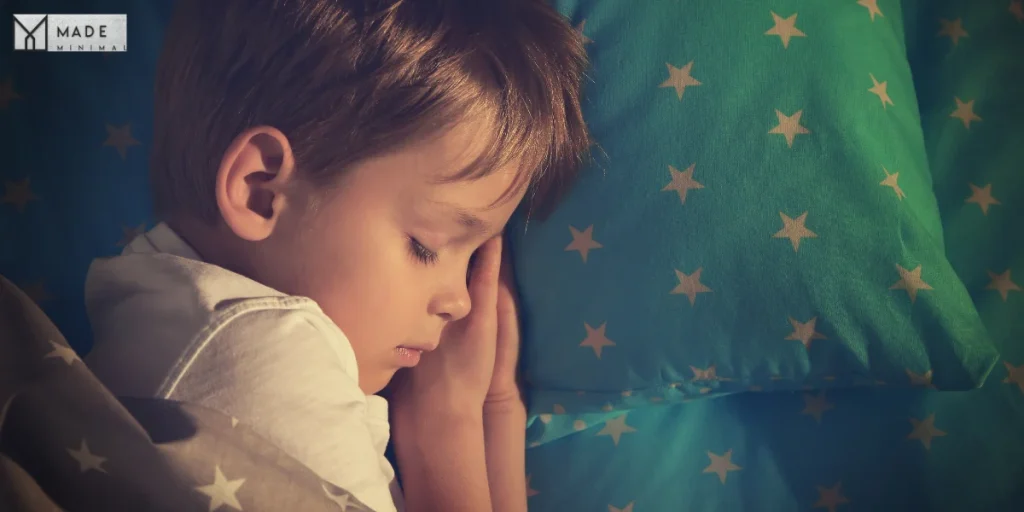
The main challenge is understanding how light affects your child’s ability to fall asleep and stay asleep through the night.
Keep Lights Away From Direct Eye Contact
Position lights away from your child’s direct line of sight to avoid stimulation while still providing a gentle glow around the room. You want them to see their surroundings if they wake up, not stare directly at the bulb.
You can place a night light low on the wall or near the floor. This spreads soft light across the bedroom without shining in your child’s eyes. We recommend keeping light sources below eye level when your child is lying in bed.
Best Spots for Different Room Layouts
Corner placement gives the best coverage in most bedrooms. The light bounces off two walls, spreading evenly without creating harsh shadows that might make little ones feel afraid of the dark.
If you have siblings sharing a room, this spot works well too. It gives enough light for comfort without disturbing the child, who might be a more sensitive sleeper.
Low placement near doorways helps older children find their way to the bathroom safely during the night. They won’t need you to turn on bright white overhead lights that affect everyone’s rest.
What to Avoid
Don’t place night lights directly under or near the bed. This creates uneven lighting and can actually make shadows look scarier. Also, keep lights away from favourite toys or interesting wall decorations that might tempt your child to get up and play instead of sleeping.
Now that you’ve got the placement sorted, let’s wrap up everything you need to create those calm bedtime routines.
Common Questions About Kids’ Night Lights
Parents often ask us about the right way to use night lights for better sleep. Here are the most common questions we hear, with straightforward answers to help you make the best choice for your family.
Should a child sleep with a night light?
Yes, if your child feels afraid of the dark or needs to get up during the night. Night lights can help children feel safer and more secure at bedtime. However, some children sleep better in complete darkness, so it depends on your little one’s needs.
What is the best night light for kids?
The best night lights use red or amber bulbs, stay cool to the touch, and have adjustable brightness. Look for rechargeable options with secure battery compartments that children can’t open easily.
What age is appropriate for a night light?
You can use night lights at any age. Many parents start when babies are newborns for easier nappy changes, while toddlers around age 2-3 often request them when bedtime fears begin.
What is the best colour night light for a child?
Red and amber are the best colours because they don’t disrupt melatonin production or affect your child’s sleep cycle. These warm colours help children fall asleep faster and stay asleep longer.
Is warm light good before bed?
Yes, warm light is excellent before bed. Red and amber tones signal to the body that evening is here, which helps children feel sleepy naturally without blocking their melatonin levels.
What kind of light should you avoid before bed?
Avoid blue, green, and bright white lights before bedtime. These colours trick the brain into thinking it’s daytime, which keeps children awake and disrupts their natural sleep signals.
Which colour light is best before sleep?
Red light is the best option before sleep, followed by amber. Both colours have long wavelengths that don’t interfere with the body’s natural production of melatonin.
What colour light to avoid at night?
Avoid blue and green lights at night. Electronic devices like tablets and phones emit blue light that suppresses melatonin and makes it harder for children to fall asleep.
Creating Calm Bedtime Routines
Now that you know how to choose and position the right night lights, you can create a peaceful sleep space that works for your family.
The right children’s lighting supports healthy sleep patterns while helping your kids feel safer at bedtime. Start with warm red or amber bulbs from places like MadeMinimal, adjust brightness as needed, and place them based on your room layout.
Night lights work best alongside other good sleep habits like consistent bedtimes, dark curtains for morning sun, and calming pre-sleep activities. Every child is different, so pay attention to how yours responds and adjust if needed.