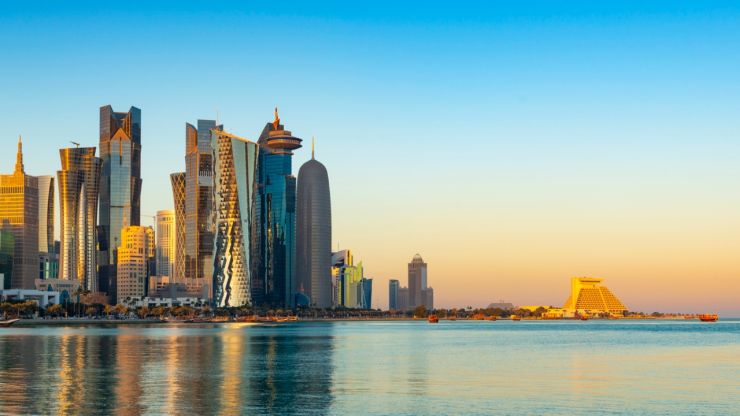
Middle-East.RealEstate has its finger on the region’s ever-pulsing real estate artery. And what it sees? Movement. Momentum. A rapidly shifting terrain where towers rise overnight, government policies redirect entire market flows, and investors — seasoned and new — hustle to stake their claims. Real estate in the Middle East isn’t just growing. It’s evolving, reframing itself as a stage where infrastructure, regulation, and ambition all collide.
The Shifting Ground Beneath
Markets don’t drift; they lurch, pivot, surge — and that’s precisely what’s happening across the Gulf and beyond. Residential, commercial, logistics, retail — all segments are buzzing, sometimes subtly, sometimes dramatically. These aren’t your grandfather’s markets. Oil dependency? Fading. Single-sector reliance? Obsolete. The new playbook is diversification — national visions etched in whitepapers now materializing in bricks, steel, and investor confidence.
Population booms — especially urban spikes — layer fresh demand on top of already strained inventories. Expats pour in. Locals scale up. Supply tries to catch up. Apartments, villas, flats — not enough to go around. Rents tick up. Developers break ground. It’s a cycle — but this time, the ceiling keeps rising.
In parallel, infrastructure is unfolding at a dizzying pace: new metro networks, economic free zones, re-zoned residential corridors, luxury coastlines stitched into business districts. These aren’t cosmetic enhancements. They’re transformative arteries, shifting the gravitational pull of investment from legacy districts to new-age urban clusters.
Then there’s the digital layer. The invisible scaffolding beneath today’s transaction: blockchain-backed deals, AI-generated valuations, remote property tours so immersive you can almost smell the marble floors. Buying a property in another country is no longer an ordeal. It’s often a few clicks away.
And let’s not forget policy. Regulatory overhauls now play the role of both referee and cheerleader — enforcing tenant protections while coaxing in global capital. Think five-year rent caps, clarified ownership rights, visa-linked investments. Governments aren’t watching from the sidelines. They’re playing full-contact real estate.
Market Pulse by City
| City | Avg Rent (AED/sqft) | Apartment Yield (%) | Notes |
|---|---|---|---|
| Dubai | 190 | 7.3 | High rental demand, limited new supply |
| Abu Dhabi | 160 | 7.0 | Strong pre-leasing in new developments |
| UAE (avg) | – | 4.87 | Average yield across all residential categories |
Dubai: Still the Beacon
Dubai remains a gravitational force in the regional landscape. Rents? Surging. Prices? Resilient. Supply? Lagging demand in key zones. The result: high-yield pockets in communities like Business Bay, Dubai Marina, and Downtown that refuse to sit still.
Investor sentiment is bullish. The city’s ability to blend high-tech city living with resort-style leisure keeps the pipeline of buyers — and renters — full. Entry-level studio? Check. Full-floor penthouse with skyline views? Also check. The city’s range is unmatched, and so is its infrastructure.
And while luxury grabs headlines, mid-market continues to outperform in sheer velocity. Young professionals and families want to buy. They’re done renting. They want a stake in the story. And developers are listening.
Abu Dhabi: Quietly Climbing
Abu Dhabi isn’t loud. It doesn’t need to be. With Grade A office occupancy flirting with full capacity and residential absorption rates holding steady, the city whispers confidence. New supply is coming — nearly a million square feet of commercial space in H2 — but most of it is already spoken for.
Rental yields? Attractive. Community development? Thoughtfully executed. It’s a place for families, executives, and long-haul investors. No drama. Just quiet, upward motion.
Riyadh: Vision with Teeth
Riyadh is rewriting its skyline and its rules — simultaneously. Vision 2030 isn’t abstract anymore; it’s visible, tangible, unfolding on every street. The metro system is crawling toward completion. The financial district is rising. New zoning laws are shifting demand into emerging corridors.
Property prices are climbing — conservatively, yes, but with purpose. The five-year rent freeze introduced in September is both a political signal and a stabilizer, designed to protect tenants while preserving ROI for landlords. Yields? Best-in-class. Some units in central Riyadh are pulling 8–12% — unmatched across most Gulf capitals.
What’s Hot: Property Types with Momentum
Apartments: Still the backbone. They fill fast, rent faster, and remain the entry point for most investors. Think compact units in tower clusters with built-in retail, gyms, rooftop pools — the lifestyle sells itself.
Villas: Suburban bliss. Families want them. Executives with school-age kids want them. High-net-worth individuals want them. They’re expensive, yes — but the appreciation curve is steep. You buy for privacy, land, and long-term returns.
Flats: Think workforce housing with a twist. Well-located flats in walkable neighborhoods offer affordability without sacrificing quality. Young professionals, new arrivals, and digital nomads drive demand.
Houses: Especially in freehold zones. Ownership is clean, terms are clear, and for many expats, it’s a golden ticket — no lease renewals, no surprises, just control.
Thinking of Buying? Here’s the Playbook
- Know the Rules: Freehold isn’t universal. In Dubai, Abu Dhabi, and parts of Saudi Arabia, it’s allowed. Elsewhere? Leasehold or restricted. Check before you dream.
- Pick a Pro: Work with a broker who knows the micro-markets. The difference between 6% yield and 3% might be one street over.
- Get Pre-Approved: Banks in the UAE mirror U.S. Fed policy due to the currency peg. Lock your rate early and understand your ceiling.
- Go Digital: Use portals. Middle-East.RealEstate, Property Finder, Bayut — they show the listings, offer virtual tours, and connect you straight to agents. The digital route is faster, safer, and way more convenient.
- Start in Dubai: Want to dip your toes? Buy apartment in Dubai. The city offers transparency, liquidity, and global recognition — a perfect storm for a first-time investor.
Looking Ahead: The 2026–2027 Horizon
Moderate price appreciation is on deck. The boom has cooled slightly, but the fundamentals remain strong. Urban populations continue to swell, and emerging cities — Sharjah, Ras Al Khaimah, Dammam — are heating up with lower entry prices and higher yields.
Expo spin-offs, megaprojects, and new business districts will continue to reshape surrounding real estate zones. Developers are already moving dirt. Investors are circling. The map is redrawing itself — and fast.
Final Word: The Opportunity is Now
Real estate in the Middle East isn’t a bubble. It’s a blueprint. A region reengineering itself around innovation, inclusion, and infrastructure. Whether you’re hunting a starter flat or a million-dirham villa, there’s a corner of this market calling your name.
Approach it wisely. Move decisively. Understand the laws. Use the tech. Leverage experts. And above all, see the bigger picture: this isn’t just a transaction — it’s a foothold in one of the world’s most dynamic, investor-friendly, fast-maturing markets.