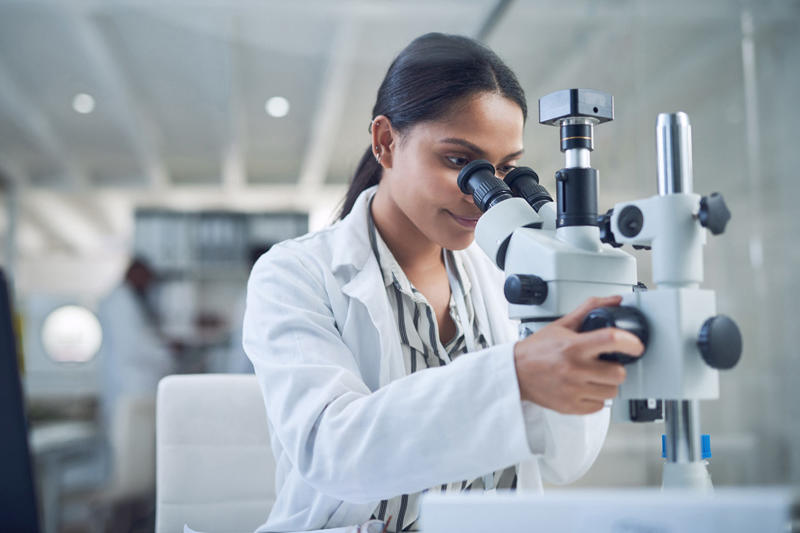
If you walk into a lab in 2026, the first thing you notice is how different it feels from the version many of us remember. The work is still technical and detailed, but the pace, the tools, and even the atmosphere have shifted. Science has always evolved, but the last several years have brought a level of modernization that has changed the daily routine for everyone involved. What used to feel rigid and segmented now feels more connected, more intentional, and far more efficient.
The Way Information Moves Has Changed
One of the biggest differences in today’s labs is how smoothly information travels. You no longer see teams flipping through binders or comparing three versions of the same spreadsheet. Most labs run on unified digital systems that track samples the moment they arrive and follow them through every stage until reporting. This has taken a huge amount of stress out of the workflow. People no longer waste time trying to match paperwork to instruments or figure out which version of a record is correct. These connected systems also help with coordination across departments. A microbiologist can look up information from the chemistry bench without leaving their workspace. A pathologist can view sample status updates in real time. When everyone is working from the same source of truth, the entire operation feels steadier and easier to navigate.
Automation Handles More Than It Ever Did
Automation has been slowly working its way into labs for years, but by 2026 it has become part of the foundation. Machines handle a noticeable amount of repetitive work now, from pipetting to reagent management to data capture. Instead of spending long stretches doing tasks that never change, technicians spend more time evaluating results, troubleshooting instruments, and improving processes. The shift has also helped labs deal with fluctuating staffing levels. During busy seasons or unexpected shortages, automation keeps the workflow from falling behind. It also reduces the type of fatigue that comes from performing the same motion hundreds of times a day. The work feels more sustainable, and teams can focus on responsibilities that rely on human judgment.
Data Shapes Decisions Instead of Sitting in Storage
As technology expanded, labs started generating more data than ever before. The difference in 2026 is how that data is used. Instead of storing it for occasional audits or end of year reviews, labs study it actively. Many laboratory information systems now come with tools that highlight patterns in turnaround times, instrument performance, and even the accuracy of certain workflows. This insight helps leaders make thoughtful decisions. If one instrument starts slowing down, the system flags it long before it becomes a problem. If a particular step consistently causes delays, the data makes that clear. Teams can make changes with confidence because the information is right in front of them rather than buried in old files.
Quality Management Feels More Natural
Quality used to be something labs checked in periodic reviews or during inspections. In 2026, it is folded into everyday work. Most digital systems automatically log calibrations, control results, reagent details, and sample handling steps. Staff do not have to stop and fill out extra paperwork because the system captures the information as they work. This smoother approach helps labs stay compliant while avoiding the frantic feeling that used to come with preparing for audits. It also improves consistency. If an issue does appear, the team can look back through clear digital records and figure out where the problem started.
Collaboration Looks Very Different
Another defining part of modern lab operations is how labs work together. Digital tools make it easy for specialists in different locations to collaborate without shipping physical slides or waiting for long email chains. A lab in one region can ask a partner lab for input and share data almost instantly. This shift has been helpful for both research and routine testing. It opens the door for shared expertise and new ideas. Smaller labs can ask for consultation when they need it, and larger labs can support their partners without slowing their own work.
A Better Experience for the People Who Rely on Results
Labs play a large role in patient care and in the decisions businesses make, even if most people never step inside one. Because of that, labs in 2026 put more effort into clarity and communication. Reports are written in a way that helps recipients actually understand what they mean. Providers can check testing status through online portals without calling the lab. Clients receive updates that feel more helpful and less technical. This small shift has had a noticeable impact. When results arrive on time and make sense, people trust the process more. It also reduces confusion for those who need answers quickly.
New Skills Are Becoming Standard
The modern lab workforce looks a little different from the teams you would have seen years ago. Scientists and technologists still need strong technical knowledge, but they also work closely with software and analytics tools. A solid understanding of digital systems is now part of the job. Training programs have adjusted to match these new expectations. Many labs encourage staff to build skills in data interpretation, equipment troubleshooting, and even workflow analysis. This helps teams adapt as new technologies emerge and ensures that the staff and the systems grow together.
Where Lab Operations Are Headed Next
The direction labs have taken in 2026 shows a clear pattern. Every improvement points toward clarity, efficiency, and sustainability. The goal is to create environments where people can do their best work with tools that lift some of the weight off their shoulders. Looking ahead, labs will keep refining how they manage data and how their systems talk to one another. Collaboration will continue to expand. Automation will become even more reliable. What will not change is the need for skilled professionals who understand the science and the systems that support it. Modern laboratory work is no longer defined by stacks of paperwork or outdated processes. It has evolved into something streamlined and flexible. Labs in 2026 have found a balance between the precision science demands and the efficiency technology makes possible. That balance is what keeps them moving forward and opens the door for the next generation of advancements.