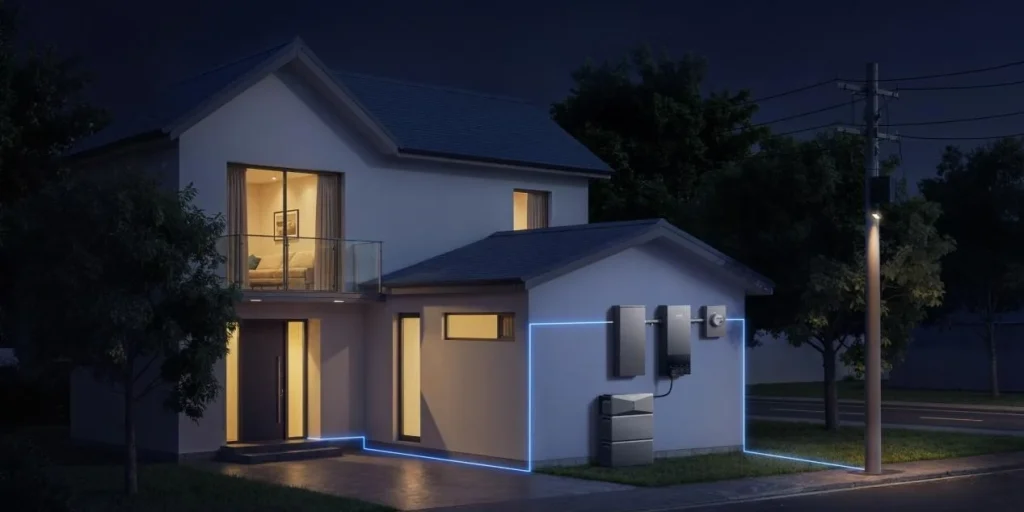
True comfort begins when a home can quietly support everyday life without constant adjustment or worry. From staying cool during heatwaves to remaining calm and functional during storms, comfort is built on systems that work reliably in the background. Many people only notice these systems when they fail, such as when power cuts interrupt cooking or when heating suddenly stops on a cold night. A well-prepared home balances technology, design, and practicality so daily routines can continue smoothly. In this article, the key elements that help a house stay comfortable in all seasons and situations are explained in a practical and approachable way.
1. Climate Control That Never Quits
Consistent Temperature in Heat and Cold
Maintaining a stable indoor temperature is one of the most noticeable aspects of comfort in daily life. A home that overheats in summer or feels drafty in winter quickly becomes tiring and inefficient to live in. Reliable climate control systems help keep temperatures steady, reducing the need for constant manual adjustments. Good insulation and responsive heating or cooling equipment also help lower energy waste over time. When indoor temperatures remain consistent, daily activities like sleeping, cooking, and working feel noticeably easier.
Clean, Fresh Air with Good Ventilation
Comfort is not only about temperature but also about the quality of the air inside a home. Poor ventilation can trap moisture, odors, and pollutants, making rooms feel stuffy even when temperatures are ideal. Well-designed airflow allows fresh air to circulate while removing excess humidity and airborne particles. This is especially important in kitchens, bathrooms, and bedrooms, where air quality directly affects health and rest. Over time, good ventilation contributes to a home that feels lighter, fresher, and more pleasant to spend time in.
2. Reliable Power for Everything
Modern homes depend on electricity for far more than lighting, making power reliability a core part of everyday comfort. When outages occur, even briefly, routines like charging devices, storing food, or keeping climate systems running can be disrupted. A thoughtfully planned setup, sometimes paired with a home generator, can integrate solutions such as Anker’s modular energy systems, which provide up to 7.6kW of continuous output, turbo output of 10kW for starting heavy appliances, and battery storage around 6kWh to ensure key devices keep running smoothly. By quietly supporting refrigerators, heating systems, and communication devices, reliable power allows a household to function normally even when conditions outside are unpredictable.

3. Peaceful and Secure Surroundings
Effective Soundproofing from Outside Noise
A comfortable home should feel like a retreat from the noise of the outside world. Traffic, construction, or loud weather can easily disturb rest and concentration if walls and windows offer little protection. Proper soundproofing reduces these distractions, creating calmer indoor spaces for sleep and focused activities. Over time, quieter surroundings contribute to lower stress levels and better overall well-being. Even simple improvements can make a noticeable difference in how peaceful a home feels day to day.
Robust Security Systems and Durable Locks
Feeling safe at home is essential for true comfort, especially when away or asleep. Strong doors, reliable locks, and well-integrated security systems provide confidence without needing constant attention. These measures help protect both people and possessions while discouraging unwanted access. When security works quietly and consistently, it fades into the background of daily life. This sense of protection allows residents to relax, knowing their home is prepared for unexpected situations.
4. Durable and Low-Maintenance Design
Weather-Resistant Windows and Insulation
Homes face constant exposure to changing weather, making durable construction a long-term comfort factor. High-quality windows and insulation help block extreme temperatures, moisture, and drafts throughout the year. This reduces strain on heating and cooling systems while keeping indoor spaces more stable. Over time, weather-resistant features also help prevent damage that can lead to costly repairs. A well-sealed home simply feels more dependable in every season.
Quality Materials That Stand the Test of Time
Materials used throughout a home influence both comfort and upkeep. Floors, walls, and fixtures that resist wear make daily living easier and less demanding. Durable materials reduce the need for frequent maintenance, allowing residents to focus on living rather than repairing. They also help a home maintain its appearance and functionality over many years. Consistent quality creates an environment that feels solid, reliable, and reassuring.
5. Thoughtful, Adaptable Spaces
Flexible Rooms for Work, Rest, and Play
Modern lifestyles often require rooms to serve multiple purposes throughout the day. A space that works equally well for remote work, relaxation, and family time adds significant value to a home. Flexible layouts allow furniture and lighting to adapt easily as needs change. This adaptability reduces frustration and helps spaces remain useful over time. When rooms evolve with daily routines, comfort becomes more natural and intuitive.
Ample Natural Light and Personal Touches
Natural light has a powerful effect on mood and comfort inside a home. Well-placed windows help brighten rooms while reducing reliance on artificial lighting during the day. Personal touches such as artwork, plants, or familiar furniture also make spaces feel welcoming and lived-in. These details help turn a functional house into a personal refuge. Over time, light-filled rooms with thoughtful details contribute to a stronger sense of home.
Conclusion
A comfortable house is not defined by a single feature but by how well its systems and spaces support everyday life together. Reliable climate control, dependable power, quiet surroundings, and durable design all work quietly in the background to reduce stress. When these elements are thoughtfully combined, daily routines continue smoothly regardless of weather or unexpected disruptions. Comfort ultimately comes from preparation and balance rather than constant adjustment. A home built around these principles offers stability, ease, and peace of mind in all conditions.